Home » For Educators and Youth Serving Professionals
For Educators and Youth Serving Professionals
Books
The environments where young people learn and play profoundly shape their development and well-being. Relationships and experiences directly drive adolescent brain development, building neural pathways and influencing gene expression. Understanding adolescent neurobiology and the core developmental tasks of this period allows us to design learning spaces that celebrate and leverage this unique window in service of positive youth development and thriving.
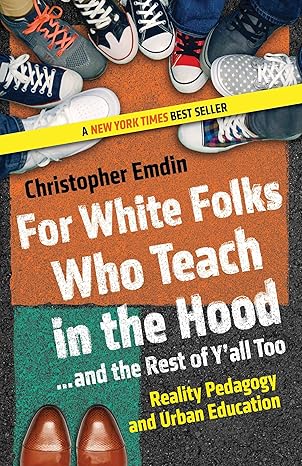
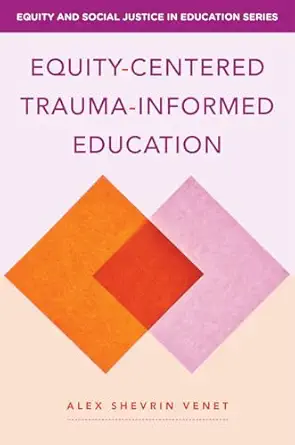
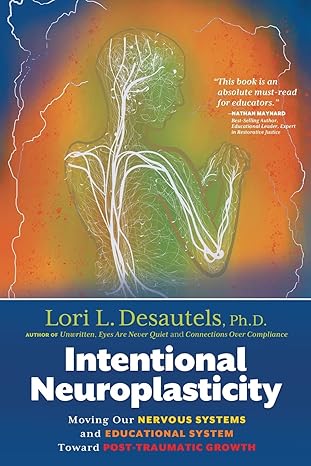
These books bridge developmental science with practice, showing how to create equitable, healing-centered—not just trauma-informed—schools and programs. They illuminate the importance of adult well-being, co-regulation, and cultural responsiveness, offering concrete guidance for building relationships, cultures, and structures that honor young people’s full humanity and support their thriving in and beyond school.

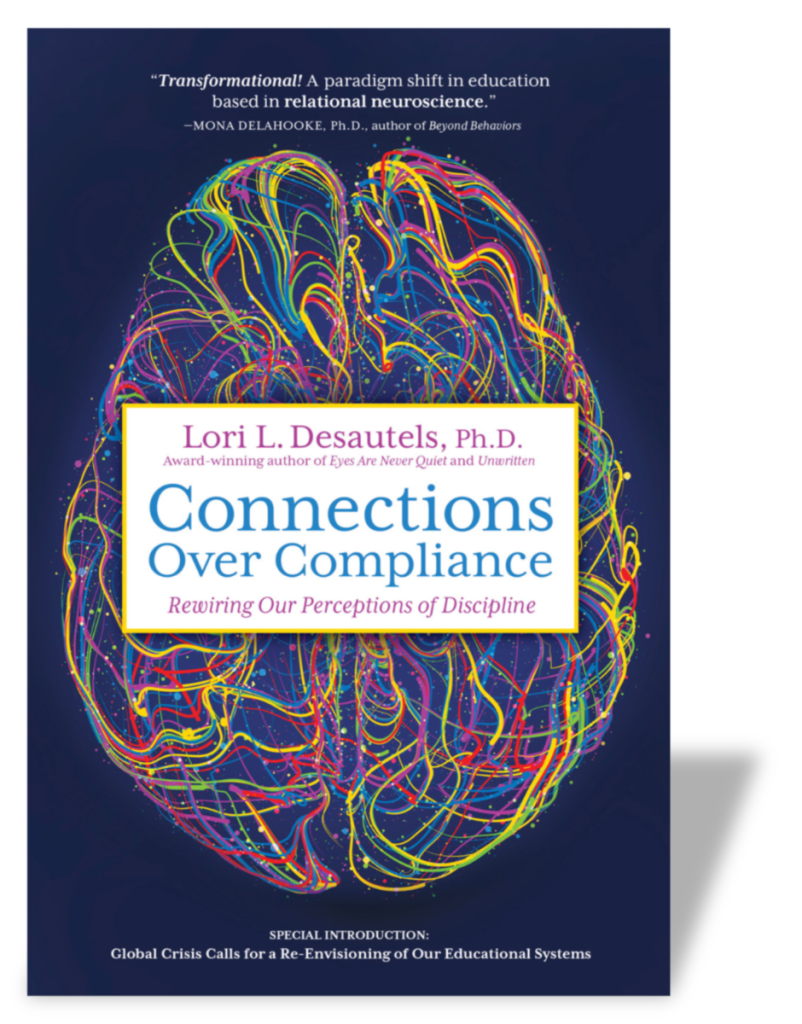
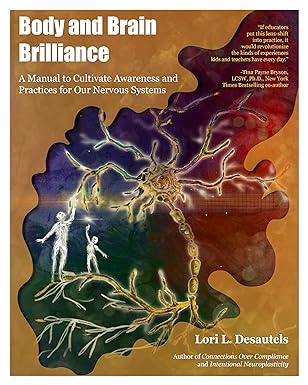
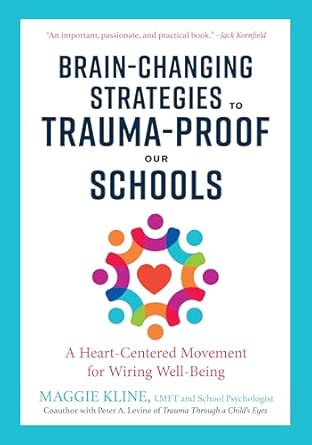
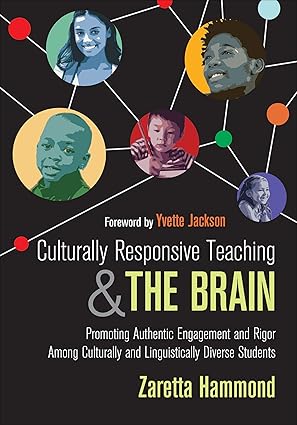

Articles and Research
- Shawn Ginwright's article The Future of Healing: Shifting From Trauma Informed Care to Healing Centered Engagement challenges us to move beyond trauma-informed care toward healing-centered engagement. While trauma-informed approaches have been essential in helping us understand how adverse experiences impact young people, they can inadvertently center damage and deficits rather than strength and possibility.
- Centers youth agency over symptoms – Rather than focusing solely on trauma responses, support young people’s capacity to author their own healing journey
- Focuses on positive identity development – Actively cultivate youths’ sense of who they are and who they’re becoming, fundamental to healthy adolescent development and key to healing
- Emphasizes culture and collective care – Healing happens in community and connection, not just individual intervention
- Focuses on aspiration – Orient toward young people’s hopes, dreams, and visions for their future as means to support their healing and their leadership