Home » Memoir and Fiction
Memoir and Fiction
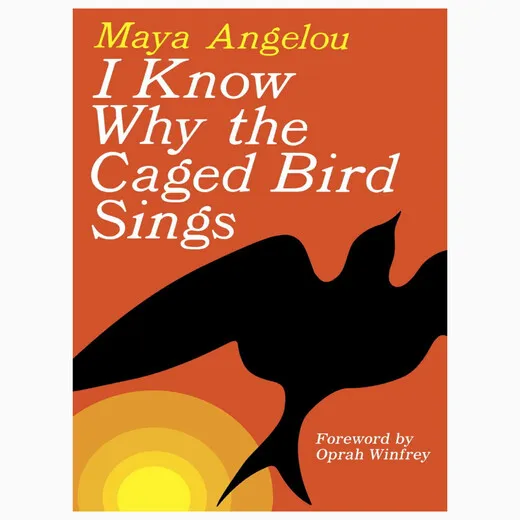
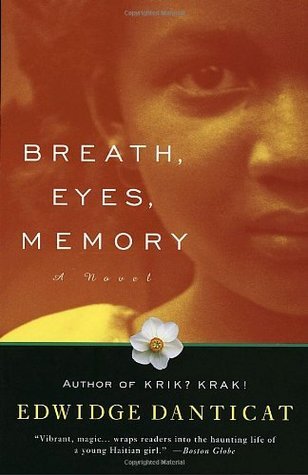
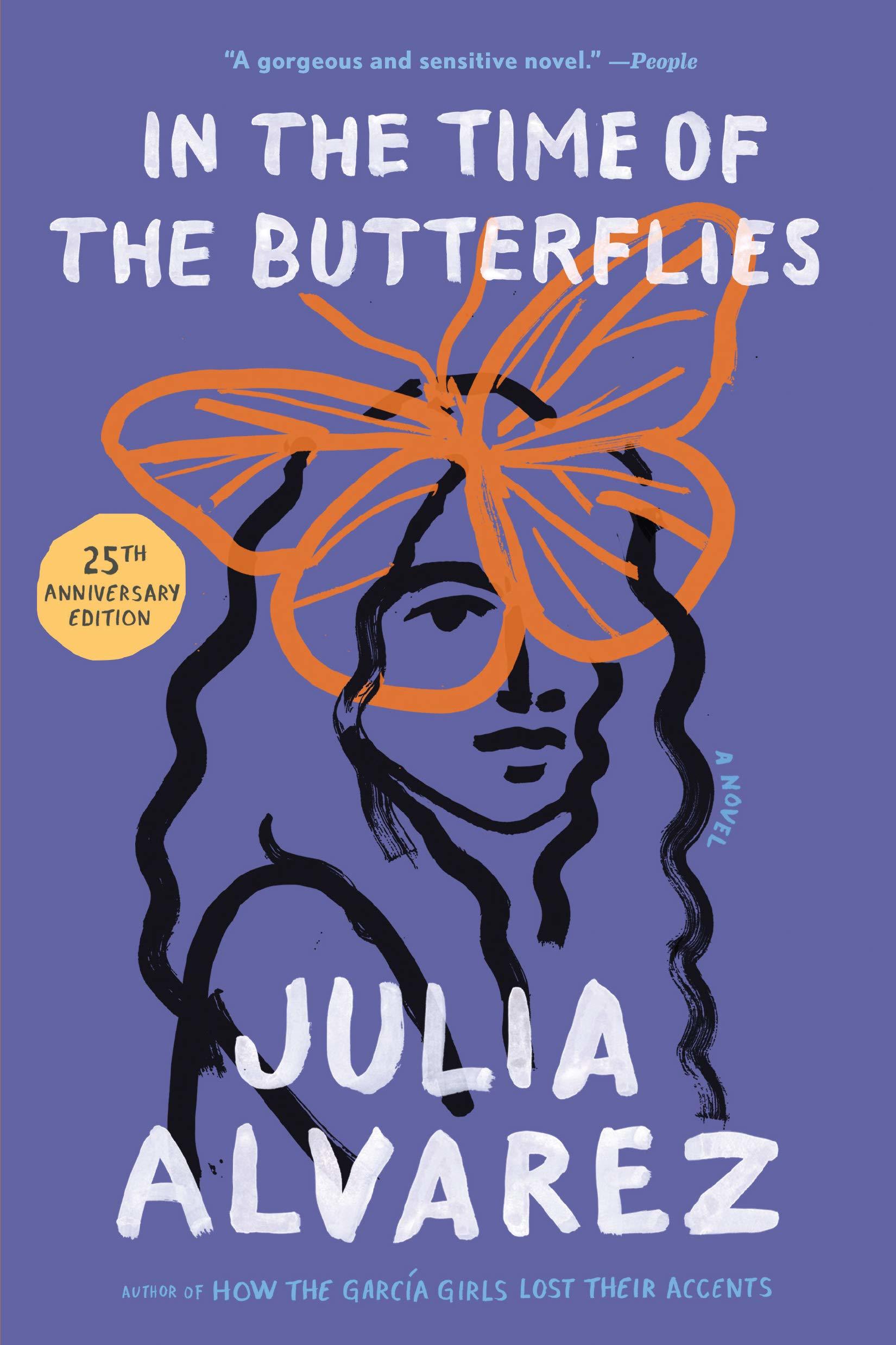
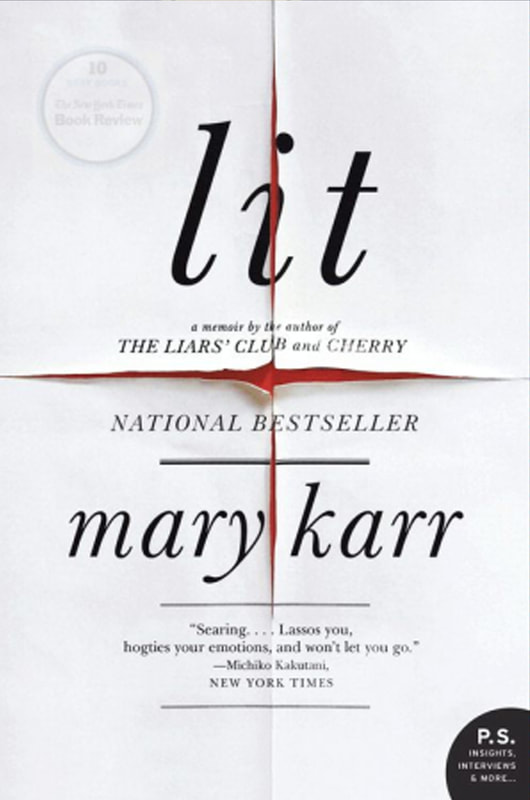
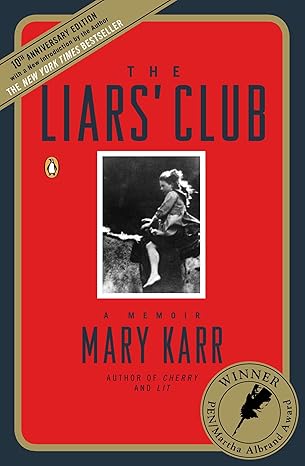
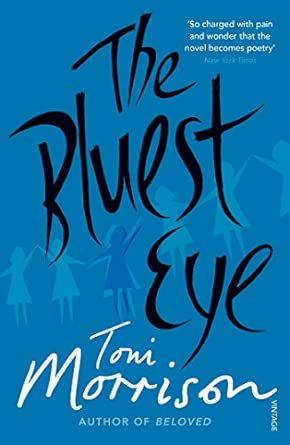
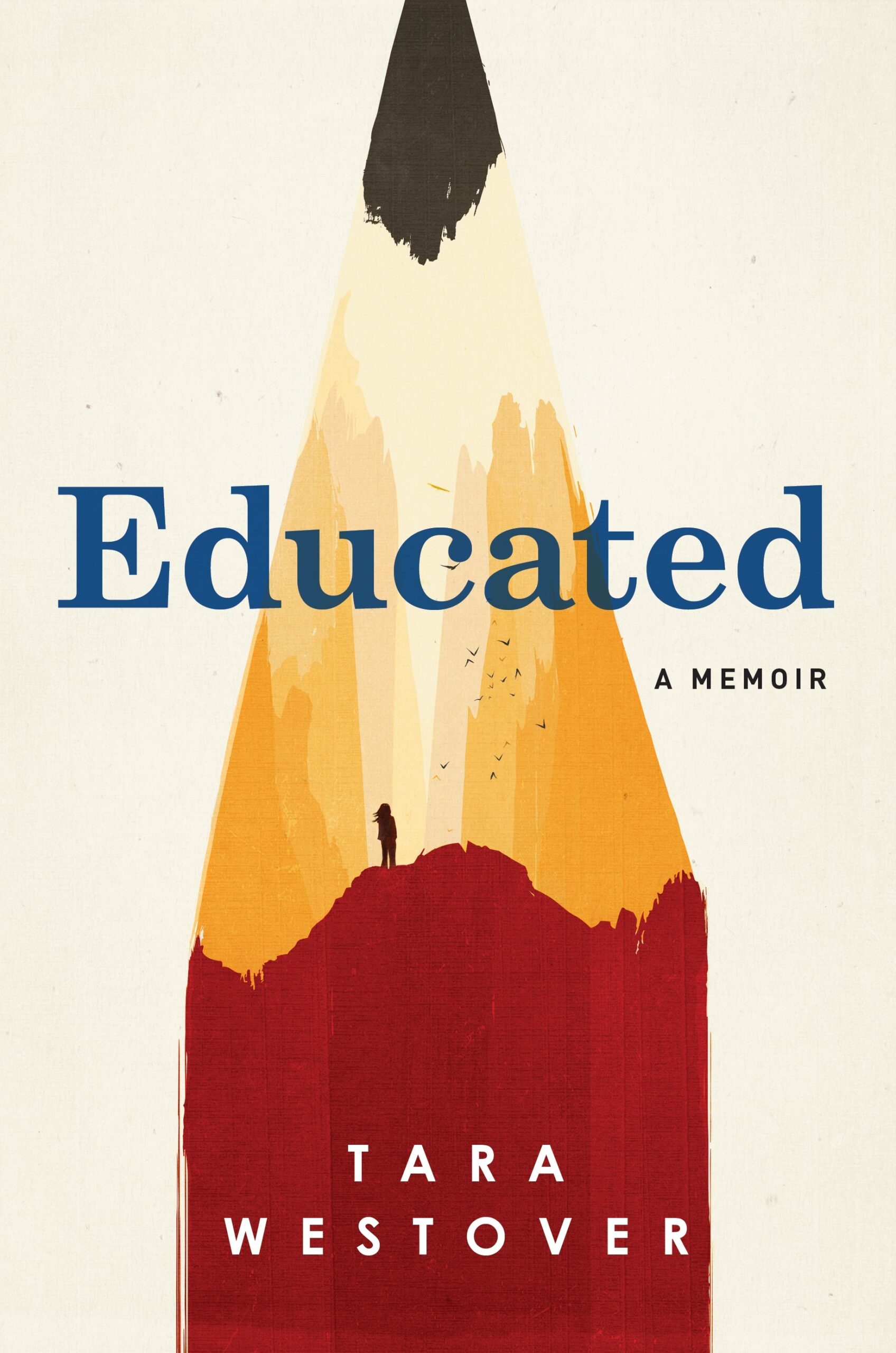
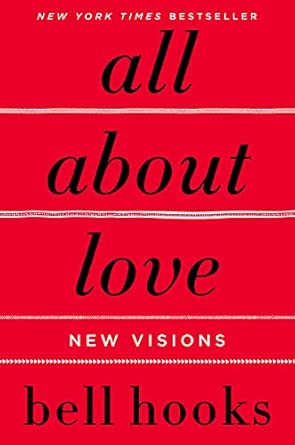
These books developed my understanding of how who we become is shaped by the families we are born into, history, and systems long before I studied trauma or neuroscience professionally. Through powerful personal narratives, they reveal how racism, classism, sexism, and their intersections impact our safety, identity, relationships, and sense of what’s possible—while also illuminating the profound resilience of the human spirit.
These authors write about survival and transformation in the face of violence, poverty, isolation, mental illness, and systemic oppression. They explore how we find voice after silencing, how we create family and community in the absence of safety, how education can be both liberation and alienation, and how love—in all its complexity—shapes and sometimes wounds us. They illuminate the particular experiences of girls and women navigating a world that often devalues them, while also revealing the creative, spiritual, and relational resources that sustain us.
These aren’t clinical texts, but they offer essential wisdom about what it means to claim your own story, to break silence, to leave behind what’s familiar in pursuit of becoming who we are meant to be. They teach us about the body’s memory, the power of language and literacy, the costs of survival, and the possibility of healing through truth-telling and community.
I include them because they were formative to my own development, affirming parts of my experience in ways that traditional psychology texts never did. While they address difficult topics and themes—childhood trauma, sexual violence, family dysfunction, the impacts of racism, sexism, fundamentalism and isolation—they also offer liberation through the act of truth telling, sense making, and becoming. If you’re seeking narratives that honor both struggle and strength, particularly women’s experiences of finding voice and self, these books may offer you that same gift of recognition.