Home » TRAUMA AND POST-TRAUMATIC GROWTH
TRAUMA AND POST-TRAUMATIC GROWTH
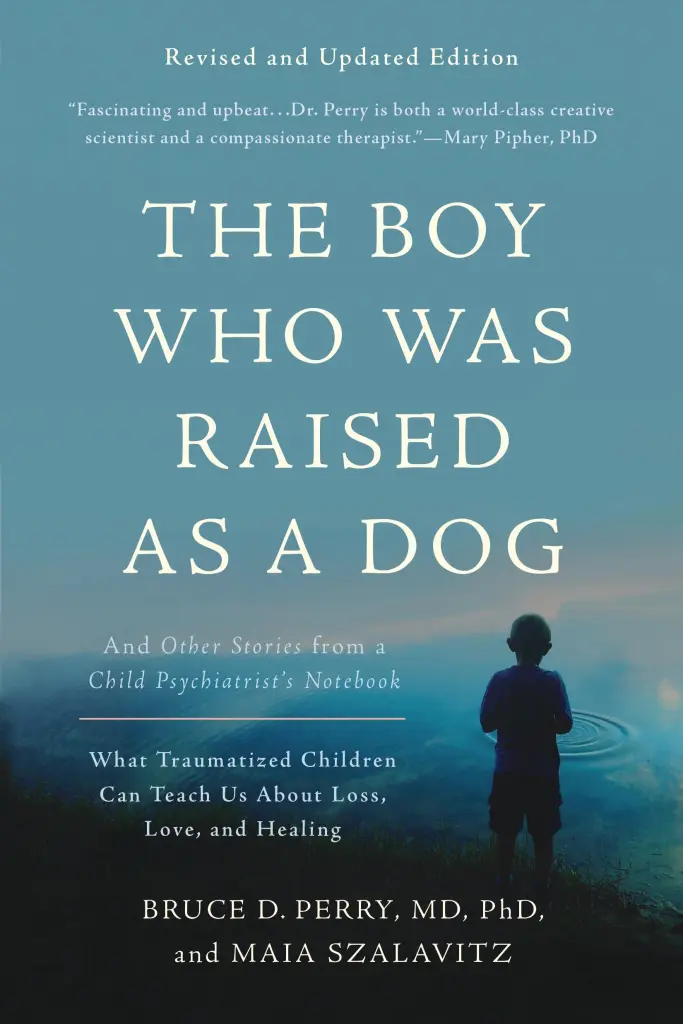
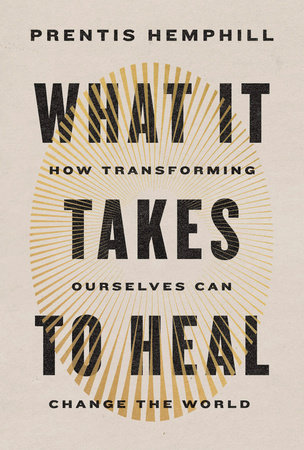
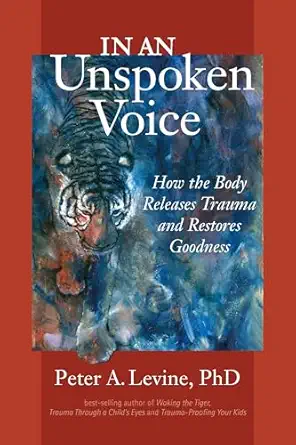
Books about Trauma and Trauma Healing
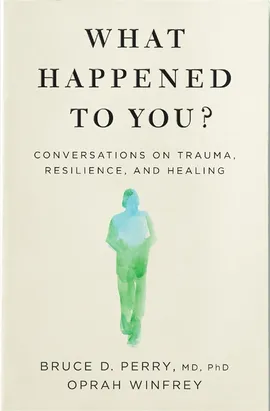
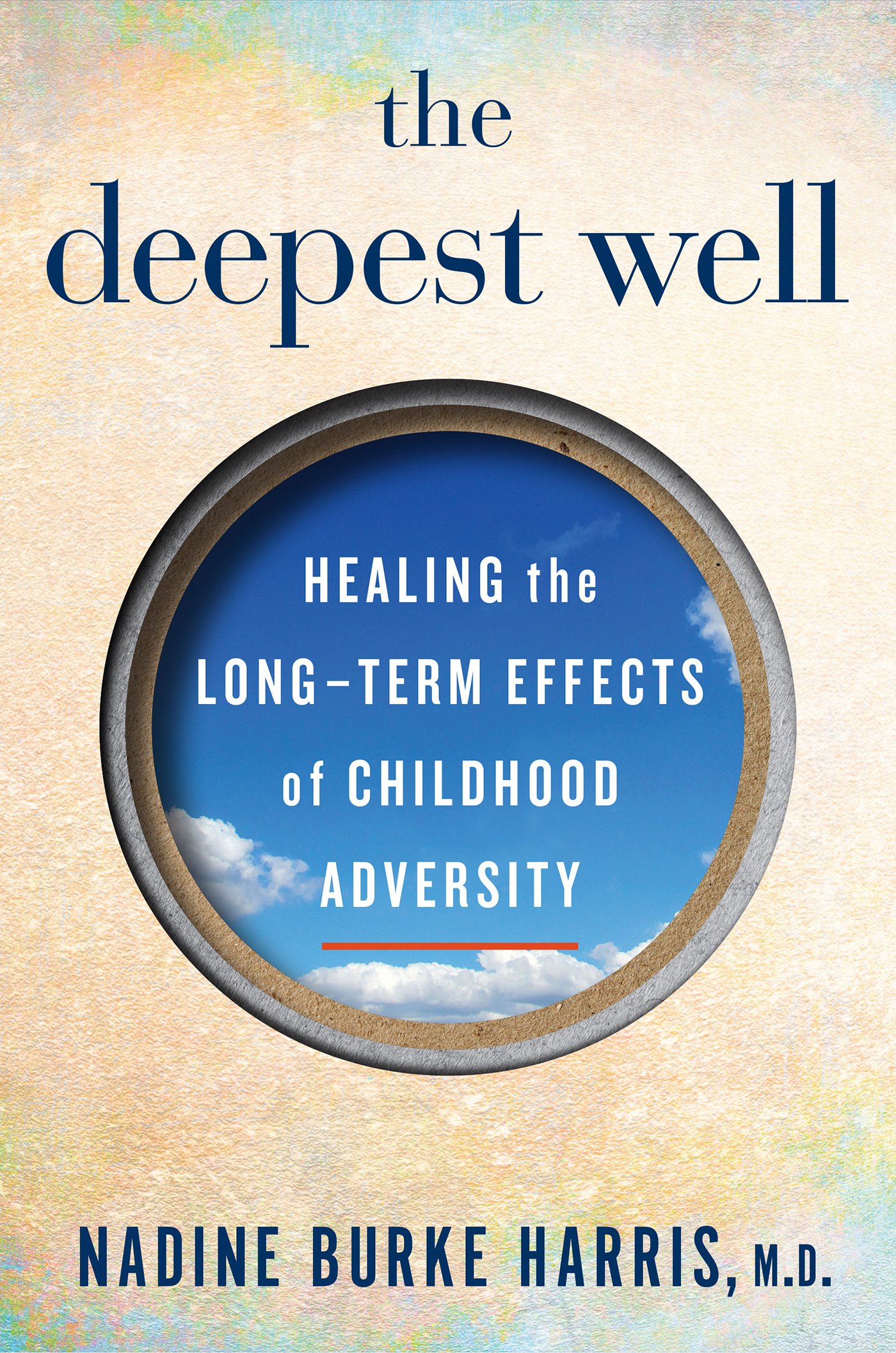
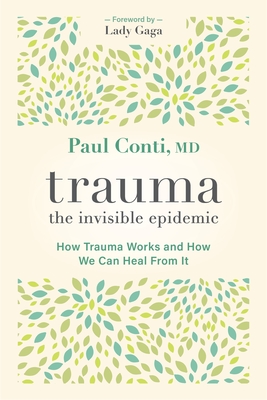
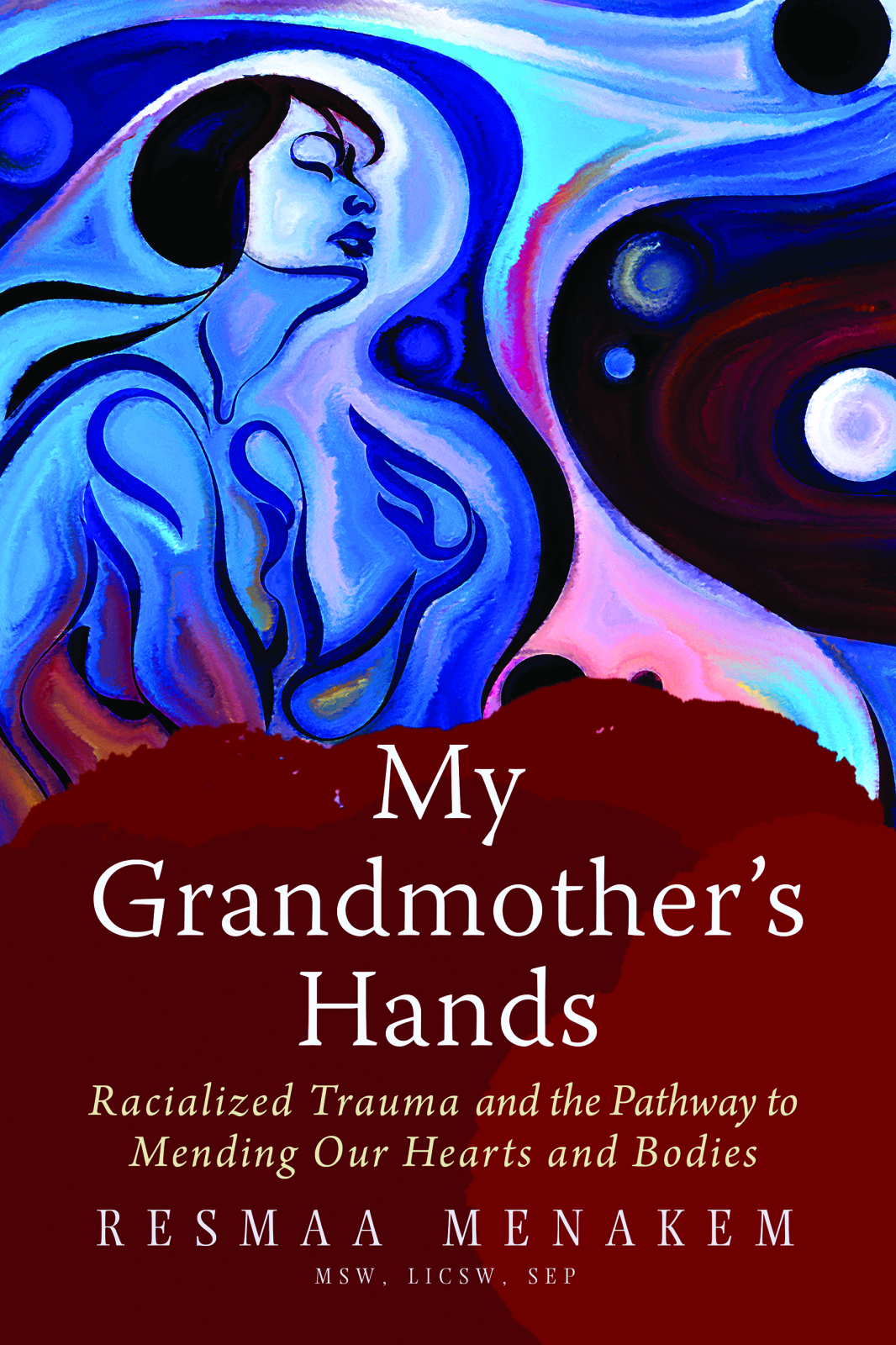
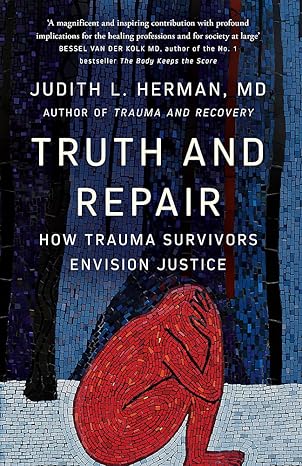
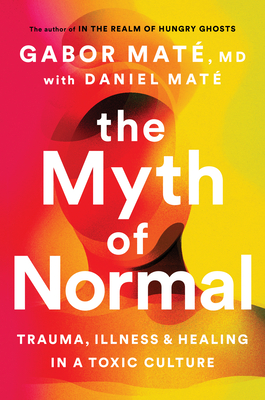
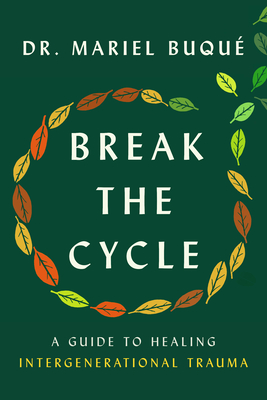
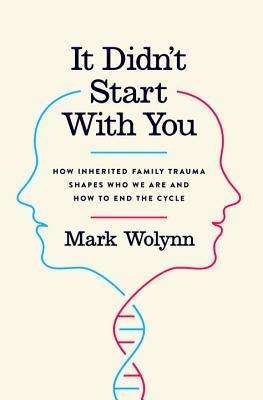
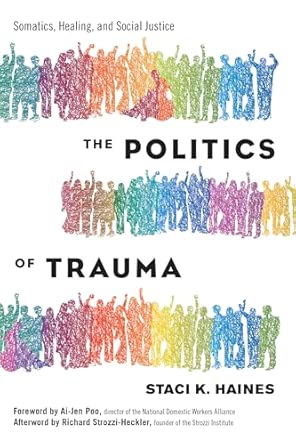
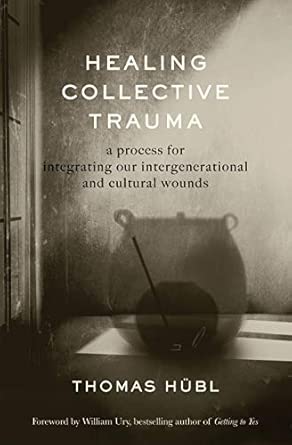
We now know that trauma is far more pervasive than we previously understood or acknowledged—most people will experience some form of trauma in their lives. While trauma has profound personal impacts, trauma pioneer Judith Herman reminds us that trauma is fundamentally a social and relational phenomenon and therefore recovery can only happen within the context of relationships. The conditions of our larger society, including economic inequality, sexism, and racism as well as historical injustices, shape both our exposure to trauma and our access to healing. Trauma is simultaneously social, systemic, political, and deeply personal.
These books weave together the neuroscience and physiology of trauma with personal narratives and social analysis, offering pathways not just to recovery but to post-traumatic growth. They make visible how healing happens in bodies, relationships, and communities—honoring both the individual experience and the collective contexts that either support or hinder our healing.

We can’t fully know ourselves without other people...And we are closer to spirit, to whatever is divine in us and the universe, through our connections with other people.
- Mia Birdsong, pathfinder, writer, and facilitator
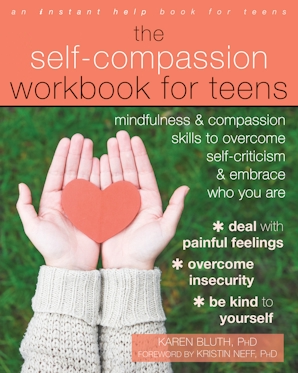
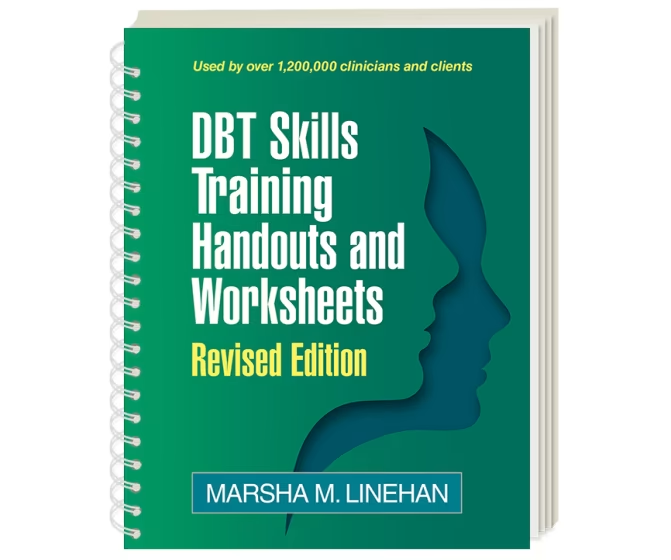
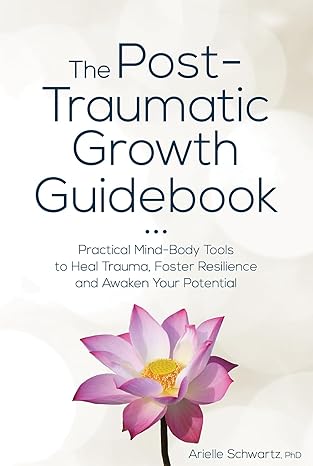
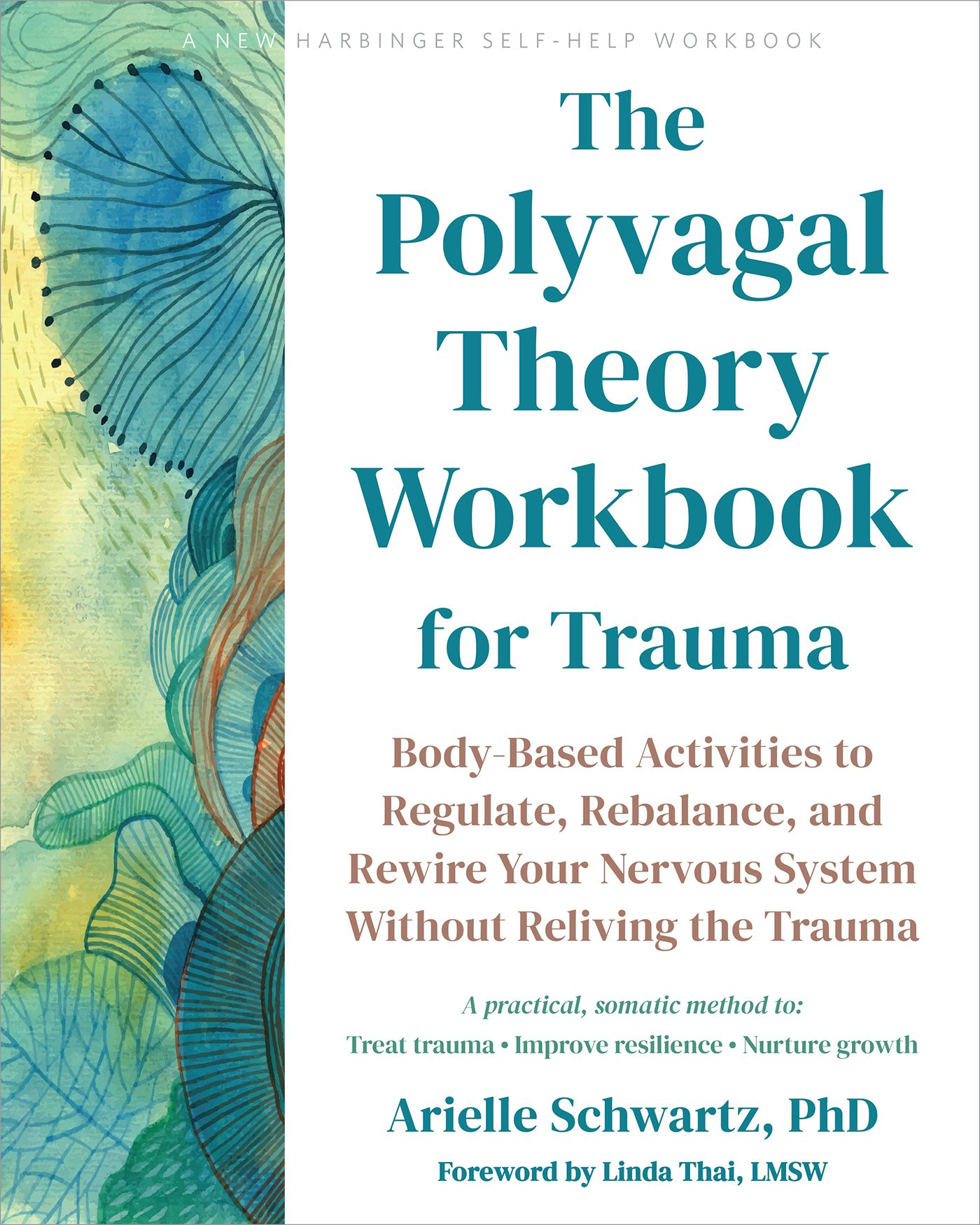
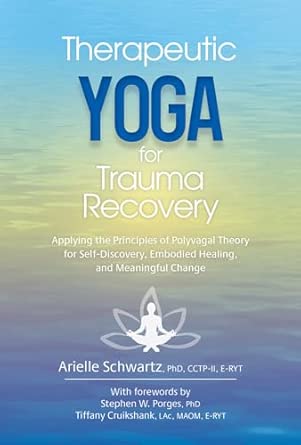
Workbooks to Support Trauma Healing
These workbooks and guided practice resources offer tools for developing skills that support healing and resilience. They translate complex neuroscience and therapeutic concepts into accessible exercises you can do on your own, in community, and/or in therapy. From understanding how your nervous system works (Polyvagal Theory Workbook) to cultivating self-compassion during the intense years of adolescence (Self-Compassion Workbook for Teens), these resources provide structured pathways for building regulation, resilience, and post-traumatic growth. The therapeutic yoga practices offer body-based approaches to healing that honor the wisdom of somatic traditions while being informed by contemporary trauma science.
Websites with Research on Impacts of Trauma and Resources for Healing

PODCAST EPISODES ON TRAUMA HEALING

Sounds True: Insights at the Edge offers in-depth podcast interviews with leading spiritual teachers, healers, and authors offering stories, research, and tools to support healing, self-discovery, and ways of being to create a more loving and just world. Here are a few focused on trauma and trauma healing that I found helpful:
- Trauma Recovery and Post-Traumatic Growth with Arielle Schwartz
- Jeffrey Rutstein, PsyD: You Can Shift the State of Your Nervous System
- Peter A. Levine: From Trauma to Awakening and Flow
- MaryCatherine McDonald: The Trauma Response Is Never Wrong
- Gabor Maté: Healing into Wholeness in a Toxic Culture
- Trusting the Gold – Tara Brach on Insights at the Edge
- Thomas Hübl: Healing Collective Trauma
The Huberman Lab Podcast has an extensive content library covering topics including mental health, sleep, the brain and neuroplasticity, as well as specific topics including depression, adhd, and anxiety. Here are a few focused on mental health, healing from PTSD, and grief:
Paul Conti: How to Understand & Assess Your Mental Health | Huberman Lab Guest Series
Psychiatrist Dr. Paul Conti defines mental health in actionable terms and explains how the unconscious and conscious mind shape our thoughts, behaviors, and emotions. He offers a roadmap to explore root causes of anxiety, negative self-talk, and overthinking, with practical tools for reshaping thought patterns—either independently or with professional support. Episode 1 of a 4-part series.- Victor Carrión: How to Heal From Post-Traumatic Stress Disorder (PTSD)
Dr. Victor Carrión, a leading expert on childhood and adolescent PTSD, explains what PTSD is, why developing brains are particularly vulnerable to trauma, and its relationship to ADHD. He shares effective therapeutic interventions including cue-centered therapy and how to create a personalized “toolbox” to identify triggers and manage stress.
- Dr. Mary-Frances O’Connor | From Grief & Loss
Mary-Frances O’Connor explores what happens in the brain and body during grief, including the role of dopamine and yearning. She explains how grief involves cycling between protest, despair, guilt, and anger—and offers science-supported strategies to move through loss in healthy ways while honoring what we’ve lost.